Source Yogurt Flavor for Baking, Beverages, and Cosmetics
Compare 30 yogurt flavor options in liquid and powder forms from Chinese manufacturers. Buyers can evaluate food-grade ingredients, packaging types, and certifications like Halal for applications in baking, beverages, and cosmetic raw materials; compare the available evidence and request quotations based on your requirements.
Key considerations
Products List




Comprehensive Sourcing Guide
Yogurt Flavor Sourcing Guide
Product Scope and Observed Listing Signals
The market for yogurt flavor encompasses a diverse range of formulations, primarily categorized into liquid and powder variants to suit different manufacturing needs. Buyers will encounter products labeled as natural, synthetic, or chemosynthetic flavors, with the core substance often identified as food flavor ingredients. These flavors are designed to deliver specific sensory profiles, ranging from colorless liquids to white powders, ensuring versatility in final product aesthetics. The physical state of the flavoring agent is a critical selection criterion, as it directly impacts mixing efficiency and stability within the yogurt matrix.
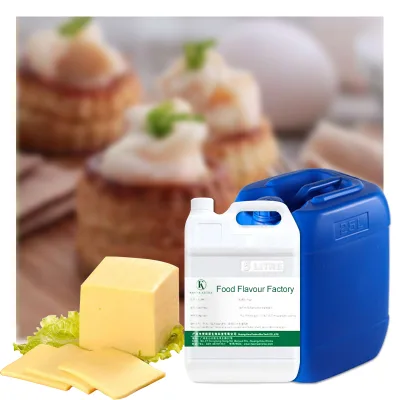
Observed listings indicate that suppliers offer significant customization options, including OEM services, allowing brands to tailor flavor intensity and composition. Packaging formats vary widely, including cartons, buckets, bags, bottles, drums, and aluminum foil bags, with common weights such as 500g, 1kg, 5kg, 25kg, and 50kg. This variety supports both small-scale sampling and large-volume industrial production. The origin of these products is predominantly China, with specific mentions of Shaanxi as a production hub, suggesting a concentrated supply chain for these specialized food additives.
Technical Specifications to Verify
When evaluating technical specifications, buyers must prioritize the physical state and solubility of the flavoring agent. Products are available as water-soluble additives, which is essential for uniform dispersion in liquid yogurt bases without separation. The purity level is frequently cited as 99%, indicating a high concentration of active flavor compounds. Additionally, the grade of the raw material, often described as food grade or top grade, ensures that the ingredient meets the necessary quality thresholds for human consumption. Verifying these attributes prevents formulation issues related to texture or inconsistent taste.
Storage conditions and shelf life are equally critical technical parameters that influence inventory management and product longevity. Recommended storage methods typically involve keeping the product in a cool, dry place, away from light, with humidity levels maintained at or below 65%. Shelf life observations range from greater than 12 months to 24 months or two years, depending on the specific formulation and packaging integrity. Buyers should confirm the specific model or standard, such as GB30616 or specific product codes like QF-10016, to ensure compatibility with their existing production lines and quality assurance protocols.
Compliance and Safety Documentation
Regulatory compliance is a foundational requirement for sourcing yogurt flavor ingredients, particularly regarding food safety standards. Products are often associated with specific national standards, such as GB30616, which governs food additives in China. Buyers must verify that the supplier provides documentation confirming adherence to these local regulations, as well as any international standards relevant to their target market. The presence of a Material Safety Data Sheet (MSDS) is a common indicator of proper chemical handling and safety information provision, ensuring that the product is managed correctly throughout the supply chain.
Certifications play a vital role in validating the ethical and safety claims of the supplier. Halal certification is frequently observed, which is crucial for accessing markets with significant Muslim populations or for brands aiming for inclusive labeling. Additionally, some listings mention ISO22000, a standard for food safety management systems, although buyers should independently verify the current validity of such certifications. Ensuring that the supplier holds these credentials reduces the risk of regulatory non-compliance and supports the brand’s commitment to quality and safety in the final yogurt product.
Cost Drivers and Commercial Terms
The pricing structure for yogurt flavor is influenced by several factors, including the type of flavor, purity level, and packaging format. Observed price ranges are broad, reflecting the diversity of products from basic synthetic flavors to high-concentrated fruit flavor juices. Buyers should expect variations based on whether the product is a natural or synthetic formulation, with natural flavors typically commanding a premium due to sourcing complexity. The minimum order quantity (MOQ) also impacts unit costs, with observed ranges starting from small samples of 10-20g up to bulk orders of 2400 units, allowing for flexible procurement strategies.
Commercial terms often include the availability of samples for quality testing, which is a standard practice in the industry. Suppliers may offer samples in quantities of 10-20g to allow buyers to evaluate the flavor profile before committing to larger orders. Packaging specifications, such as 1L/bottle or 25kg/drum, affect logistics costs and storage requirements. Buyers should negotiate terms that align with their production volume, considering the trade-off between lower unit prices for larger MOQs and the flexibility of smaller, more frequent orders to manage cash flow and inventory turnover effectively.
Supplier Qualification and Quality Control
Supplier qualification requires a thorough assessment of their manufacturing capabilities and quality control processes. Buyers should verify the supplier’s ability to provide customization and OEM services, as this indicates flexibility in meeting specific brand requirements. The origin of the product, particularly from regions like Shaanxi, China, should be cross-referenced with the supplier’s actual facility location to ensure transparency. Additionally, checking for consistent packaging quality, whether in cartons, drums, or bottles, is essential to prevent contamination or damage during transit.
Quality control measures should include rigorous testing of the raw materials, such as oil-based extracts, to ensure they meet the specified grade, such as Pure Essential Oil Grade A. Buyers should request batch-specific test results to confirm purity levels and the absence of contaminants. The supplier’s ability to maintain consistent shelf life and storage stability is also a key indicator of quality. Establishing a clear communication channel for addressing any deviations in product specifications or packaging integrity is crucial for maintaining long-term supply chain reliability and product consistency.
Long-Term Procurement Checks
Long-term procurement success depends on continuous monitoring of supplier performance and market trends. Buyers should regularly review the supplier’s adherence to agreed-upon standards, such as GB30616, and ensure that any changes in formulation or packaging are communicated and approved in advance. Tracking the shelf life of delivered batches is essential to prevent waste and ensure that the yogurt products remain fresh and effective throughout their intended use period. Maintaining a buffer stock of different packaging sizes can help mitigate supply chain disruptions and accommodate fluctuating demand.
Additionally, buyers should stay informed about evolving regulatory requirements and certification updates, such as Halal or ISO22000, to ensure ongoing compliance. Building a relationship with the supplier for collaborative innovation can lead to improved flavor profiles and cost efficiencies over time. Regular audits of the supplier’s quality control processes and storage conditions can help identify potential risks early. By maintaining a proactive approach to supplier management, buyers can ensure a stable supply of high-quality yogurt flavor ingredients that support their brand’s reputation and market competitiveness.
FAQs
What types of yogurt flavor are available?
Yogurt flavor is available in both liquid and powder forms to suit different manufacturing needs. These options include natural and synthetic varieties, allowing for precise customization. Buyers can select the state that best fits their production line, whether for beverages or baking applications, ensuring consistent taste and texture in the final product.
Can I get custom yogurt flavor packaging?
Yes, OEM and customization services are available for yogurt flavor products. Packaging options include cartons, buckets, bags, bottles, and drums to meet specific logistical requirements. Standard specifications range from small sample sizes to bulk drums, ensuring flexible solutions for various order volumes and storage capabilities across different supply chain models.
What certifications do yogurt flavor products have?
Yogurt flavor products typically hold Halal and S022000 certifications to ensure compliance with international standards. Additional documentation such as MSDS is often provided for safety and handling reference. These certifications verify the product's suitability for food-grade applications, giving buyers confidence in the quality and regulatory adherence of the sourced ingredients.
How should yogurt flavor be stored?
Store yogurt flavor in a cool, dry place away from direct light and humidity. The recommended storage humidity is less than or equal to 65 percent to maintain product integrity. Proper storage conditions help preserve the flavor profile and extend the shelf life, which typically ranges from twelve months to two years depending on the specific formulation.
What is the minimum order quantity for yogurt flavor?
The minimum order quantity for yogurt flavor varies, with some suppliers offering a starting point of five kilograms. Other options may require higher volumes up to two thousand four hundred units depending on the packaging type. Buyers should check specific supplier listings for exact MOQ requirements to align with their production scale and inventory management strategies.
Where are yogurt flavor products manufactured?
Yogurt flavor products are primarily manufactured in China, with specific origins noted in regions like Shaanxi. This location supports a robust supply chain for food additives and flavor ingredients. Buyers sourcing from this region benefit from established manufacturing infrastructure and access to a wide variety of synthetic and natural flavor options for global distribution.